 Print This Post
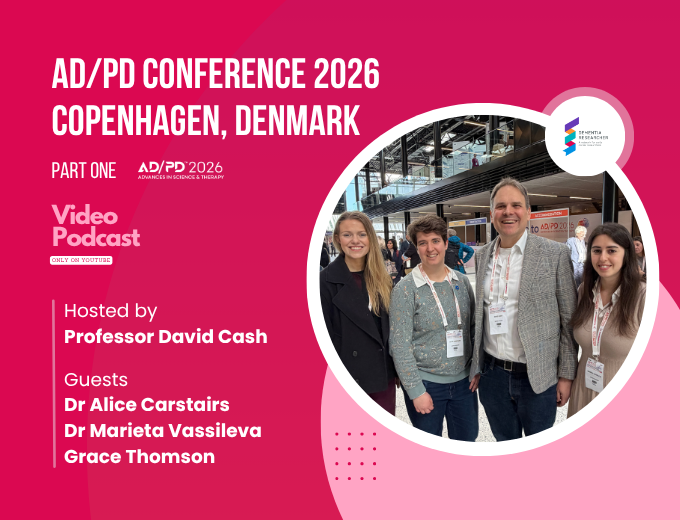
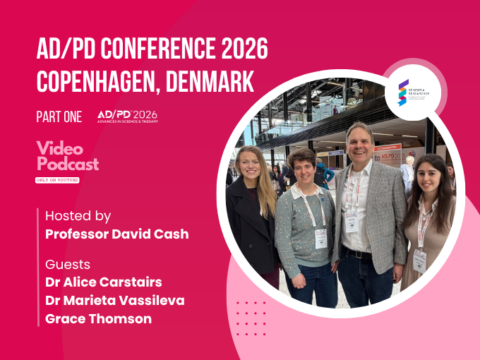
This episode of the Dementia Researcher Podcast continues our coverage from the AD PD Conference 2026 in Copenhagen, one of the largest international meetings focused on Alzheimer’s and Parkinson’s disease.
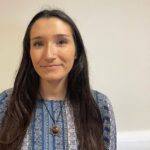
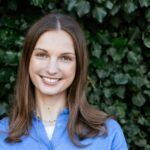
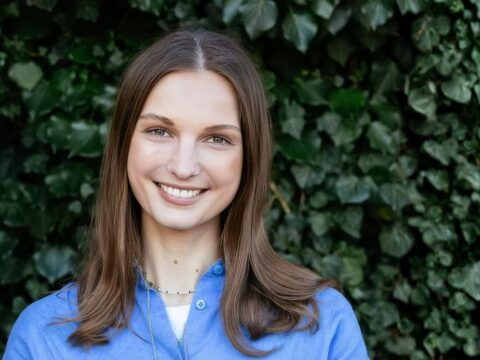
Hosted by Professor Louise Serpell, the conversation brings together Athina Grigoriou, Dr Lauren O’Neill, and Dr Sofie Let Frandsen, each sharing highlights from across the conference.
The discussion spans a wide range of topics, from the biological role of alpha synuclein and mitochondrial dysfunction, through to emerging therapeutic targets and the growing importance of biomarkers. There is a strong focus on how diseases are more complex and varied than once thought, with increasing attention on stratification, personalised medicine, and early detection.
Alongside the science, the episode also reflects on the importance of patient voices, collaboration across disciplines, and the value of sharing both positive and negative research findings.
This is Part Two of our AD PD 2026 reflections, offering a thoughtful look at where the field is heading next.
Key Takeaways
- Alpha synuclein may have a normal physiological role, not just a pathological one
- Mitochondrial dysfunction remains central in Parkinson’s mechanisms
- Biomarkers are key for both early detection and patient stratification
- Diseases like Parkinson’s and dementia are highly heterogeneous
- Personalised medicine is becoming a realistic goal, not just an idea
- New therapeutic targets beyond dopamine are emerging
- Early stage and presymptomatic intervention is a major focus
- Patient and carer perspectives remain underrepresented but essential
- Collaboration and openness, including sharing negative results, are vital
- More diverse populations are needed to validate biomarkers globally
Voice Over:
The Dementia Researcher Podcast. Talking careers, research, conference highlights, and so much more.
Professor Louise Serpell:
Hello, and welcome to the Dementia Researcher Podcast. Today's episode is coming to you from ADPD Conference in Copenhagen, where researchers from around the world have gathered to share new findings on Alzheimer's disease, Parkinson's disease, and other related neurodegenerative conditions.
I'm Louise Serpell, a professor of biochemistry from the University of Sussex, and I'm delighted to be hosting today's show. This week, the ADPD conference has brought together scientists working across the full spectrum of neurodegenerative research, from molecular mechanisms to biomarkers and clinical trials. Across the few days, there have been hundreds of talks and posters. So rather than trying to summarise everything, today we're going to focus on a few highlights that really stood out to our guests during the meeting.
Joining me are three people who have been exploring this conference, Athina, Lauren, and Sofie. And I'm going to ask them each to introduce themselves and tell you a little bit about their background.
Before we begin, could I ask each of you to briefly introduce yourselves and tell listeners what area of research or work you're involved in? Athina.
Athina Grigoriou:
Hello. I'm Athina Grigoriou, and I'm a second year PhD student in Dr. David Koss's lab at the University of Dundee in Scotland. So, we're working on DNA damage. So basically, understanding the role of DNA damage in dementia with the Lewy bodies, and then compare it with other neurodegenerative diseases, such as Alzheimer's disease. And specifically, I'm looking into the role of alpha-synuclein in DNA damaged repair pathways and what comes first, basically. Yeah, that's me. Thank you.
Professor Louise Serpell:
Thank you. And Lauren?
Dr Lauren O’Neill:
Okay. So hi, I'm Lauren O'Neill. I'm also working at the University of Dundee alongside Athina in Dr. David Koss's lab. So, my project is looking at elucidating the mechanisms, or specifically where alpha-synuclein is going to bind on the human genome in dementia with Lewy bodies. And my background in mitochondrial biology, and also my interest in DNA damage, I kind of want to, for my project, shape these two together to look at mitochondrial DNA damage specifically. And see if there's also, and you can also bind it in the mitochondrial genome.
Professor Louise Serpell:
Oh, fantastic. Sounds really interesting. And lastly, but not least, Sofie?
Dr Sofie Let Frandsen:
Yeah. Hi, everyone. I am Dr. Sofie Frandsen, and I am a senior research scientist at a small biotech company called Vesper Bio, which is actually based here in Copenhagen, so this year's ADPD conference is in my hometown. So that's very nice. So, I am a pharmacist by training and have done a PhD focusing on Parkinson's disease. And right now, I am working at Vesper, who are developing small molecules, a sortilin inhibitor, to increase the important protein in the brain called progranulin, which is decreased in a lot of neurodegenerative diseases such as FTD, Parkinson's disease, and also in mood disorders.
So yeah, very nice to be here.
Professor Louise Serpell:
All right. Thank you very much, Sofie. So welcome, everybody. So how have you found the conference so far? Enjoyable?
Dr Lauren O’Neill:
Very.
Athina Grigoriou:
Yes.
Dr Sofie Let Frandsen:
Really. A lot of talks, a lot of good posters.
Athina Grigoriou:
Yeah, it is very big. I think it's one of the biggest conferences we've been to, but. Talking for myself, yeah.
Professor Louise Serpell:
Well, just to give the listeners a bit of a flavour for it, it's I think five or six parallel sessions, hundreds and hundreds of posters, loads of exhibitors. It's just... It's a lot. It's a lot, to try and cover it all.
Dr Lauren O’Neill:
Yeah. I think there was over 700 posters per shift, and there's two shifts. So, there's a lot to go around. Yeah.
Professor Louise Serpell:
So, you have to pick carefully-
Dr Lauren O’Neill:
Yeah.
Professor Louise Serpell:
... don't you? So
Athina Grigoriou:
And the parallel sessions were that there's one in the morning, there's two of them in the afternoon. So, I don't know, it was like eight talks per session, per parallel session.
Dr Sofie Let Frandsen:
I think the app helps a lot as well, because then you can get an overview of which talks, you can highlight them as your favourites. Because otherwise there's so many, you...
Athina Grigoriou:
Yeah. They had an AI summary as well, so you could go back and get the report of what the main findings of the research was from each talk. That was really good. It was really helpful.
Professor Louise Serpell:
Yeah. Yeah. That's good. So, let's start with Athina. I would like to know what you found most interesting. I think you've picked out one particular topic you're particularly interested in.
Athina Grigoriou:
Sure. I'll go on. So, I really liked this talk, it was by an associate professor named Ulf Dettmer, and that's also the professor, like I said, at Harvard Medical School, in the States. And what he presented is, because it's relevant to my work, that's why I really liked it. But what he presented is that he argued that the phosphorylation of alpha-synuclein at serine-129, which we all know is the pathological protein found in Lewy bodies, in dementia with Lewy bodies, may actually have a normal, reversible, physiological role during synaptic activity. So, he showed a number of, well, a lot of figures, a lot of data. And one of the things, what they use and is published now, is in cortical neurons they showed they're increasing the network activity using picrotoxin. It raised this phosphorylation at serine-129 without changing the total protein, total alpha-synuclein levels.
Then they showed this, they've done this in vivo, and what they've shown again is that under environmental enrichment also increased phosphorylation of the alpha-synuclein again at serine-129. And that, in a way, concluded that there is a physiological role of the phosphorylation. It doesn't mean it doesn't play any role in disease, but it shows that there is normal activity.
Then they went and tried knock-ins, knockdowns, and mutations. And what they showed is that in a knock-in mice model, where it prevented the phosphorylation, it showed that there was a reduction in an impaired hippocampal plasticity and cognitive deficit, again suggesting this physiological phosphorylation, it contributes to the normal synaptic transmission and plasticity.
Then he also showed some very new and published data, which was really interesting to see. And what they did is that they introduced a phospho mimic, so it was mimicking phosphorylation. And again, they could see all these impairments in the hippocampal and the long-term potentiation, and the Y-maze performance. So, this, he said that it raises two interpretations. One, that there is a dynamic reversibility of phosphorylation that is required, or whether the mimic that they use, it does not function as a true phospho mimic in cells, and it behaves more like a loss of function.
And then, I'll keep on going about that. There's a few... Some last things I want to say about it is that then they used the PLK2 inhibitor, which we know that is an inhibitor that it could inhibit the phosphorylation of serine-129 to alpha-synuclein. And again, they showed that when they did this, they actually restored the function and the neural network and everything, which was really cool.
So overall, what they concluded is that alpha-synuclein, serine-129 phosphorylation has an important physiological, activity-dependent role at the synapses, and it's distinct from its pathological accumulation in Lewy bodies.
Professor Louise Serpell:
That's so interesting.
Athina Grigoriou:
It was amazing.
Professor Louise Serpell:
And it's really interesting to think that the proteins that misfold in neurodegenerative diseases also have an important function, and perhaps this hyper-phosphorylation, or phosphorylation of alpha-synuclein and tau, that actually it's part of a functional role, and then somehow that regulation goes wrong. And that's maybe what leads to the pathology. So, it's fascinating.
Athina Grigoriou:
Yeah, exactly. That's why we liked it because it compared the pathological role and the physiological role. So, it actually shows that we may be looking... It will be good to look into another way, like we just look at things in a different perspective when we're doing this, not think that this is just pathology, there might be something else there that we don't know. So, it would be good to be looking both the positive, I think, and the negatives, the same way. If that makes sense.
Professor Louise Serpell:
And it's going to be so important, of course, when we go to therapeutics, if you're just going to clear out this particular phospho type of alpha-synuclein, then actually it's really important, it sounds like. And it sounds like they did some really robust experiments to show that that actually has a really functional role.
Athina Grigoriou:
Yeah, exactly. And he was just saying that this is just preliminary, but just preliminary data, and population preliminary data showing this, it means that there is more to come. You can see that. There is a trajectory there.
Professor Louise Serpell:
Thank you, Athina. That really came across how excited you were about it.
Athina Grigoriou:
Yeah, that was fantastic.
Professor Louise Serpell:
Thank you. So, Lauren, do you want to tell us a bit about what you found really interesting at the meeting?
Dr Lauren O’Neill:
Yeah, of course. So, as I mentioned before, I come from a mitochondrial background. So, one of the symposiums was looking at mitochondrial pathways, so I was instantly drawn towards that session. One talk in particular who was by Professor Sara Berman. She's an assistant professor at the University of Pittsburgh. She was looking at, essentially, this complex I PET binding protein. It binds to complex I in the mitochondrial respiratory chain, so the first complex of oxidative phosphorylation. And essentially, using this radio ligand that binds to complex I, they're able to see the relative abundance of complex I in Parkinson's disease patients, and people who have dementia with Lewy bodies.
So, this was answering the research question of disease stratification. So, I think typically, I mean, I definitely thought this years ago prior to my PhD, Parkinson's disease is Parkinson's disease. But it seems that you have these different phenotypes that are all very... There are all different types, but under the same umbrella of Parkinson's disease, of the shared pathology. So, this talk was quite interesting because it really questioned that narrative of different types of Parkinson's disease with different specific phenotypes.
So, the approach that they used was using this 18F-BC-PPEF, I know, the radioligand, so I'll just say that. And it was the binding is relative to the abundance of complex I. And what they found is, as the disease duration of Parkinson's disease and dementia with Lewy bodies ensued in these patients, the binding of complex I actually reduced. So that's kind of supporting a lot of the literature that we've known for many years now, know that we have complex I dysfunction in these alpha-synucleinopathies. It was interesting that it was dependent on disease duration. And it was also particularly interesting that they found that those that were actually complex I deficient were less likely to be tremor heavy for their phenotype, whereas those who weren't deficient in complex I were more tremor heavy in their phenotype. So, it's two kind of distinct phenotypes based on their complex I pathology, which I found particularly interesting.
And something that I found that really, it struck me quite strongly because it does kind of relate to some of the things that I did for my PhD project as well, is that in the earlier stages, they found that there was actually an initial increase, and a peak, in complex I binding. So, it's telling us that there could be an initial compensatory mechanism going on first, and then as pathology ensues, the mitochondria become overwhelmed. And as we get an increase in reactive oxygen species, and a lot of stress, it just starts to downfall as pathology progresses.
Professor Louise Serpell:
Really interesting. So, what I remember, and Parkinson's disease is not my area of expertise, but the complex I was highlighted particularly because of the drug related induced Parkinson's disease, wasn't it?
Dr Lauren O’Neill:
Yes. So, I think they found that in human, I think it was like an accidental sort of thing. So, there were these people who had been taking this, it was like an opioid, it was the MPTP, and then the metabolite MPP+, was actually a complex I inhibitor. And it mimicked, created these Parkinsonian phenotypes in the people who had taken this drug. And we also know that from animal models and cellular models that adding rotenone, which is a complex I inhibitor, also induces this mitochondrial phenotype associated with Parkinson's disease, but also the motor symptoms in these animal models as well.
Professor Louise Serpell:
And so, are they motor dysfunction heavy, tremor heavy, those particular models? Or less so?
Dr Lauren O’Neill:
I don't actually know. So, this is something that I found really interesting from this talk, because I hadn't come across that before. Just the case of something so small is a mitochondrial complex, the deficiency in that, can cause just such a difference in the phenotypic presentation. Yeah, I thought that was amazing.
Professor Louise Serpell:
It's really fascinating, isn't it? And I think what you said at the beginning, about Parkinson's disease not really just being one condition, is so important at the moment. Because I think there's been a lot of publicity about understanding these neurodegenerative diseases as heterogeneous conditions, with different protein misfolding, and different mechanisms within them that we really need to try and pinpoint. So personal medicine is going to be so important-
Dr Lauren O’Neill:
[inaudible 00:14:34] on the person, yeah.
Professor Louise Serpell:
... to work out and stratify people into the right categories.
Dr Sofie Let Frandsen:
And just to add on that, I think that's also a very general theme at ADPD, is these biomarkers. That is advancing a lot, but it's both to stratify the patients and to identify them early, but also to understand the complexity of the Parkinson's disease and Alzheimer's disease. And there are actually a lot more comorbidity as well across these disorders, and also just with neuropsychiatry, and so on. So, I really think it's important that we understand.
Athina Grigoriou:
Yeah. I was just about to say that there's a lot of co-pathologies, and that every single protein, for example, after alpha-synuclein, you can have the alpha-synuclein in how it forms, and aggregates within dementia with Lewy bodies is different, and Parkinson's is different in AD. So, there's actually understanding the different co-pathologies and those proteins, will be really important for future treatments, I guess. Yeah?
Professor Louise Serpell:
Yeah.
Dr Sofie Let Frandsen:
And as you mentioned, I think the way forward is personalised medicine-
Professor Louise Serpell:
Personalised medicine.
Dr Sofie Let Frandsen:
... so hopefully, someday, yeah.
Professor Louise Serpell:
Yes. Maybe in time for you, young people.
Dr Lauren O’Neill:
Yeah.
Professor Louise Serpell:
We hope. We really, really hope. Yeah. So Sofie, would you like to tell us what you really enjoyed?
Dr Sofie Let Frandsen:
Yes. So, as I mentioned, I really have always been into Parkinson's disease, and that's been my PhD focus and so on. So, I would just take a step back and first talk about a talk by Daniel Kremens, who is a co-director of Parkinson's Disease and Movement Disorder Centre. And he talked about the clinical needs in Parkinson's disease, and how many unmet needs there are, and we're not really treating everything. And especially he talked about these non-motor symptoms that are not treated in patients, and mentioned the cognitive impairment, and a lot of patients, they also hallucinate and so on. And this is just not treated. Right now, levodopa is still the golden standard and has been that for 50 years. And it works good initially, but it doesn't with time, and may also be related to gut dysfunction, which is very common in Parkinson's disease patients.
So, I really think he put a good perspective, that we need some disease modifying treatments, and we need to understand the treatment better. And we need new targets. And we need to treat symptomatic. And in that regards, I also found both a poster and also a talk on a non-dopaminergic target called the p75 receptor, which is also a target we are looking at Vesper Bio. So maybe I'm also biassed about this, but the question is that targeting this neurotrophic or death receptor, signalling improved neurodegenerative diseases.
And I was very glad and happy to see that it actually has some positive outcomes. So, there was a talk from a lab in Montreal, so in Canada, and then there was also a talk by Frank Longo, who works at Stanford University. And as I recall it, I hope it's correct, but he's developed small molecules to this target himself, and he has shown very positive signals on cognition and motor behaviour in mice but also saw some reduced tau pathology. So also has some good indications in both Alzheimer's disease and Parkinson's disease, and also some good effects on synaptic proteins.
So, I think it just really gives us some good... That we can find some new mechanisms, and some hope that we can treat more disease, modifying and also in the progression stage, and not just symptomatically.
Professor Louise Serpell:
It makes me wonder if you know what p75... Is it p75?
Dr Sofie Let Frandsen:
Yes.
Professor Louise Serpell:
What it does, because is it something like p62, or...?
Dr Sofie Let Frandsen:
It actually is a... You can call it a death complex. It actually sits in a complex with sortilin, which is our target. So, it actually causes apoptosis, so if you go and inhibit it, you of course reduce the apoptosis, and then you mature the proneurotrophins, or neurotrophins, and then you induce the cell survival. So, it can be an indication of both FTD, Parkinson's disease, Alzheimer's disease, and so on. So again, this very broad target for neurodegenerative disorders.
Professor Louise Serpell:
And do you know what triggers that pathway that goes through sortilin and p75 yet? I mean, is it the protein misfolding, which is what I go to, or something else?
Dr Sofie Let Frandsen:
It could be, yes. Yeah, yeah. So, it's proneurotrophins that bind to this sortilin p75 complex. So yeah, yes.
Professor Louise Serpell:
Really interesting. So, you're basically rescuing the cell, survivally.
Dr Sofie Let Frandsen:
Exactly. Yeah. So, you're reducing the apoptosis, but you're also inducing the cell survival. So, I think that's a good way to go.
Professor Louise Serpell:
That sounds like a really interesting strategy. Completely different, maybe, from some of the other ones.
Dr Sofie Let Frandsen:
Exactly. But I think that's very promising to see, that there are all these very new promising mechanisms and targets to help these diseases.
Professor Louise Serpell:
Yeah. So, I was thinking that one of the things that struck me at this meeting has been the emphasis on biomarkers. Been fascinating. And there were a few talks where they talked about diversity, and whether those biomarkers... I mean, the one that's been very publicised is Tau p217 and whether those are suitable for biomarkers in other populations, because there is an emphasis on Western populations, generally. And I just wondered if any of you picked up anything about that, in terms of other cohort studies where they're looking at that?
Athina Grigoriou:
I think we've been to-
Dr Sofie Let Frandsen:
We've been to a couple of-
Athina Grigoriou:
... talks, so yeah, like you just said. They focus on p-t217, but there was another talk on the same... It was on the same biomarker’s session, but they picked up on other phosphorylation sites on the tau protein, that they say that could be used as a biomarker. So, I think the other one was p264 if I'm not mistaken. I don't know if you remember. I can't remember exactly which one it was. I think it was 264, I'm not mistaken.
Professor Louise Serpell:
That sounds familiar.
Athina Grigoriou:
Yeah. Well, it's on a different side of the protein, but they showed... They used a number of techniques, I can't recall all of them right now, but they showed that that could also be used as the biomarker, and that it comes early in disease too. So, it considers a lot of people are shifting, and trying to find other biomarkers, or use other different experiments that can understand any way, always.
Professor Louise Serpell:
Yeah. So that's going to really help us with this personalised medicine, isn't it?
Athina Grigoriou:
Correct.
Dr Sofie Let Frandsen:
Yeah.
Professor Louise Serpell:
But we're really at an early point in biomarkers, but it's quite exciting, that they found this particular one that seems to work really well. For at least Western populations.
Dr Lauren O’Neill:
A very important point that you did raise though, that we're looking at just at the West right now. It's very important to make sure that this is kind of an overarching thing that could help everyone around the world. And if it isn't, then we need to work harder for this personalised medicine, to really make sure that it's not prioritising the people that, we've just focused on this particular mutation and modification. It needs to be, we need to be helping everyone who's suffering.
Professor Louise Serpell:
And from a mechanistic point of view, it's actually really interesting because if you've got a biomarker that seems to work in one population and not in another, then it's really surprising, isn't it? Because then you think, "Well, actually maybe that isn't the mechanism of the disease," and you need to open your mind a little bit more, like you were saying about these other targets, where you can think about upstream targets that are really important.
Dr Sofie Let Frandsen:
Yeah. And I think it's hopeful to see that the techniques are also evolving in biomarkers, there's a lot of multiomics posters out there, a lot of talks on fluid biomarkers. So, I think the field is also evolving, which is great, because it really gives us a better understanding of the disease.
And also, just identifying the patients early. And we need to do that, because right now we identify them very too late, when they have already evolved the motor symptoms, for example, in Parkinson's disease. But we know they actually evolve, or the disease occurs initially 10 years, or approximately, before they have most of the symptoms.
Dr Lauren O’Neill:
Yeah. It was also just to kind of build upon the point that you'd mentioned before, how we were talking about, there's not always just kind of one type of disease, we have different types. So, I wonder if that kind of comes into, maybe it's not... It could be that the, say, p-Tau217 is kind of a common in the West, for say like GWAS studies of what we see, but then it could be that there's another particular phenotype, or like sub-Parkinson's disease, or DLB, that is more associated with other genes that are seen in other parts of the world as well. So really highlighting that, yeah. It's very different, but very important, to address all.
Athina Grigoriou:
And just to add on that, there were actually some talks, obviously there were a lot to go to. But I've seen the titles, and there were a lot of studies that were based, for example, on the East. So also, there was specific Chinese studies, or like Amsterdam or... Well, Amsterdam is still West, but there were in Africa, and all this. So, there are initiatives now, that they're making all these studies in other populations, to try and understand what we see in the West or where the research is, basically. Whether that relates back to those populations. So, there is stuff going out there, but yeah, it's just bringing it all together.
Professor Louise Serpell:
And then that also makes me think about, there were a few talks focusing on women, in terms of particularly Alzheimer's disease. I'm not sure if there's a change in preference, in terms of Parkinson's disease. And I wonder if you found that there were any talks on that, because it seems really important that we're focusing on sort of classifying people and stratifying the data, to try and work out that hormones may have an effect.
Dr Lauren O’Neill:
Yeah. So, we know from... I mean, not that I actually saw, I mean, probably there was for dementia with Lewy bodies and Parkinson's disease, but in dementia with Lewy bodies there's an increased prevalence in the male population. So even just... I think there was one talk actually, I can't remember specifically what it was, but it kind of raised the idea that there could actually just be sex differences in synaptic activity, which could then predispose to different pathologies. Because we know that there's links between hyperexcitability, neuroinflammation, and downstream mitochondrial dysfunction, that can then be this vicious cycle. So, it's really, I think, very, very interesting, especially because a lot of the work that has probably been done years and years ago would have been on male mice, and it wouldn't have been fully representative of the female population. Obviously, Alzheimer's disease being most prevalent in women, is very-
Dr Sofie Let Frandsen:
I think that's still the case. I think still, I think you are more aware of it, but it's mostly male mice that are used in research. And I think we really need to shift and have-
Dr Lauren O’Neill:
Definitely.
Dr Sofie Let Frandsen:
... both female and male, because as you mentioned, more females, they get Alzheimer's disease.
But also talking about patients and so on, just taking a step back, what I've thought a lot about during this conference is that there's a lot of cool science and advanced techniques and so on, but we're not really thinking about the patient perspective. And I actually came across a poster yesterday by Jacquelyn Shapiro from something called CureGRN, which is a patient advocacy organisation who raises focus on FTD patients with the GRN mutation. And she actually had a poster where she told her family story, and had a lot of photos with her family, and who had unfortunately had FTD. Also, because it's a very genetic disease. And I think it was so strong, and it was a very personal storytelling.
And I just think we need to remember that without the patient voices, they really drive the awareness, but also the research. Because we need them to donate a lot. And I think sometimes, I talked to her and she was like, "I just feel like a number sometimes." And I really think we need to focus or just remember why are we doing what we're doing because. Of course, we know it's important, but just to... I think that she had a very important point.
Professor Louise Serpell:
That is a really excellent point. I was going to ask you about Programme Lynn, because you mentioned it, didn't you? And I know, yes, that there's a variant form that causes FTD.
Dr Sofie Let Frandsen:
Exactly.
Professor Louise Serpell:
And yeah, I'm surprised that there aren't more patients or carers sort of involved in this meeting, but then it is quite sort of in-depth, high-level science.
Athina Grigoriou:
Yeah. It is, but I think it's important to be, because there were sessions that were spread out, or there were others that you had. Obviously, we had some breaks, so it would be really nice if on those breaks, we had carers talking, or even patients being around. I think that will make everyone understand, and basically recall why I'm doing this, why I'm doing research. And yeah, it's really nice because we've seen thousands of exhibitors, there were a lot of exhibitions that we went to during the breaks. But it would be really good if you had one stand, if it's just one stand there, where people are talking about their experience. Especially their carers, I guess it's really hard for them, let's just not forget them. It's not just the patients, the carers, as well.
Dr Lauren O’Neill:
I think it's important that they have a voice, especially for public engagement and patient engagement, letting them have a say in... You don't want them to feel like a number or a statistic. We want to keep them updated with where the research is going.
Professor Louise Serpell:
And the genetic forms are obviously incredibly difficult because people actually follow their parent being ill and declining but then know that they have the gene too. So, it's really shocking to have to live with that. I can't even imagine. And that makes it so important then, doesn't it?
Dr Lauren O’Neill:
Yeah, 100%. And I think you also mentioned this, Sofie, about catching, well, not catching, but determined presymptomatic ally, that is the most important part to look at. And it is interesting that even for Parkinson's disease, Alzheimer's, dementia with Lewy bodies, you see these changes that go unnoticed decades before. And even, especially when you were talking about the gut and the microbiome, how that can actually have a big role in actually the onset of Parkinson's disease, especially. I just think it's considering how many years it is prior, I think it's very important to really home in on these presymptomatic and prodromal diseases.
Professor Louise Serpell:
Absolutely. And then we might be able to identify people we can treat early enough.
Dr Lauren O’Neill:
Yeah, that's the goal.
Athina Grigoriou:
Yeah. There was a striking code, I actually took Lauren a photo in front of... It was the Michael J. Fox Foundation, and they had Michael J. Fox on the poster. And he said, "We're going to find the Parkinson's disease, cure a brain in order to do that, and it's because we're all going to work together." So, he said, "The reason why we're going to find the cure is because we're all working together." And that strikes me. I was like, "Okay, this is really nice."
So, I guess this could actually, that actually made us think that we need to publish what we're publishing. We need to tell other scientists, and scientists need to talk with each other, in order to share their insights and share their thoughts, on how we can go forward with this so we can get closer to trust.
Dr Sofie Let Frandsen:
I think that's very important. And also, just to communicate the negative data, as well.
Athina Grigoriou:
Exactly. Yes.
Dr Sofie Let Frandsen:
I think that's also been a problem in the field. And I think in regard to that, I think the Novo Nordisk, the EVOKE talks, they were also very good. I think it was very inspiring, and very clear communicated, but also very transparent how they communicated negative results, and were just very honest. And I think that's so important for the field as well, because we also learn a lot from negative results.
Athina Grigoriou:
Yeah, exactly. I've also been to a talk yesterday, it was not my area, but it was about how Aβ42 and Aβ40, they get degraded in the liver. And the first slide the girl had on, it was all the studies and all the papers that came out, some of them were saying, "Oh yes, that is true." And then it was like, "Oh no, it's not." And then, "Oh, yes." So, you could see the different papers. And then she went on to talk about her research, and how she found that Aβ42 gets degraded faster in the liver compared to Aβ40 and all this, but she showed that there's still this debate out there. Which is really good, because this is how we're going to address the questions, I guess.
Professor Louise Serpell:
Yeah, so that openness. I was really, really informed by the EVOKE study on the GLP-1 inhibitors. I just thought that the way that, it was a real exemplar of how a company, who presumably have put an enormous amount of money into these trials, have actually offered to share the data, to publicise exactly what they've done. And perhaps this will lead to something in the future, we don't know, but for them to have really talked about it, I think it's fascinating. I mean, it seems sort of plausible that it might be a good target, but obviously not in that trial. And so, interesting to see what will happen next in that area.
Athina Grigoriou:
I just hope that they keep being open.
Dr Sofie Let Frandsen:
Yeah.
Dr Lauren O’Neill:
Yes.
Dr Sofie Let Frandsen:
I agree.
Dr Lauren O’Neill:
Yeah. I mean, the best thing would be repurposing a drug that already exists, I suppose. And there's actually evidence for, I think it's metformin, the diabetes drug, and it's actually reduced incident. Those who have diabetes and that are on metformin, there's a reduced incidence of Alzheimer's disease. So, I think, even if it's not just neuroscience, but everyone collaborating on everything that we know.
Athina Grigoriou:
Yeah. So, the talk we went this morning by Dag Aarsland, stating-
Professor Louise Serpell:
Who was it, Athina?
Athina Grigoriou:
Dag Aarsland, I think.
Professor Louise Serpell:
Oh, [inaudible 00:33:56]?
Athina Grigoriou:
Yeah. I think... Yeah, that's also there. Yeah. I've seen his talk before, once in another conference, and was really interested. So, we just rushed this morning to get here, to see his talk, but he was talking about the new perspectives in dementia with Lewy bodies and Parkinson's disease, and all the clinical trials that is happening. And I think they've also used, was it metformin they're using?
Dr Lauren O’Neill:
Yeah. I think so.
Athina Grigoriou:
Yeah, so they're using this drug also for DLB, and they show some cognitive advances, and that is great. So, it just said that there are clinical trials coming out for these diseases, that is dementia with Lewy bodies, but we need more. Yeah. So, it was really good. It was really, really good.
Professor Louise Serpell:
Really exciting meeting. So, we probably should be wrapping up. So, I'm just thinking, was there any particular research area that any of you just think is the future, where this field should be really focusing their ideas, and where you think we should all be going next?
Athina Grigoriou:
Big question.
Dr Sofie Let Frandsen:
That's a tricky one.
Dr Lauren O’Neill:
Yeah, yeah. I think we all have our own preferences and bias.
Athina Grigoriou:
Yeah.
Dr Lauren O’Neill:
Our backgrounds.
Dr Sofie Let Frandsen:
I think the biomarker is a very, theme that goes again, along in many talks. And many, I think, yeah, understanding. But for just a researcher as we are, I think just coming to these conferences and getting inspired on what's moving in the field, and which models to use to be more translatable, for example, to the diseases. And I've learned a lot on which in vivo models, also, to use in the field. And they get more and more specific, also to, for example, if you have lysosomal dysfunction in Parkinson's disease, you can actually create a mouse model that is linked to a GBA mutation and so on.
And also, just to see that a lot of complex cell models also evolving and being validated well. And I think that's really a good way to go in the research field, to have these complex models that really represent the human body and the disease the best way.
Dr Lauren O’Neill:
Yeah. Yeah. Good point. I agree. I suppose I would kind of come from the, I thought maybe you meant in terms of the theme of where research is mainly going. I'd say there was a lot of focus on neuroinflammation a few years ago, but I'd say, I think because of the link between, we're talking about metformin and how... I think there's a lot to speak about when it comes to hormonal changes, and if you have diabetes, all these different other factors, like epigenetic modifications. I just think it's really important that it's kind of seen more as kind of a whole. I know it's easy to really home in on just one particular thing, especially when we're researchers, and we're looking at it literally like a molecular basis. But yeah, I think maybe if there's more collaboration between clinicians and the researchers, to kind of have more of those discussions, I think that would help the way forward.
Professor Louise Serpell:
And that reminds us about being patient centred, doesn't it?
Dr Lauren O’Neill:
Yeah.
Professor Louise Serpell:
Because one of the things that I've talked about is that Alzheimer's disease, for example, takes your whole life to develop. And it's about the experiences, and the genetics, and the environment of the person, and what leads to that outcome. And presumably, the same for Parkinson's disease. So just thinking about, exactly, the hormones and the effects.
One thing that I thought was missing actually, which I was a bit surprised about, was there was nothing about infection. So, I think a few years ago, there was no idea that if you are protected against herpes virus, that you would have a resilience to Alzheimer's disease. And I didn't see anything about that this time.
Dr Lauren O’Neill:
I didn't really catch anything like that.
Professor Louise Serpell:
No, no. So, I mean-
Athina Grigoriou:
That's quite-
Professor Louise Serpell:
... interesting. Because I do think that if you are to get a severe infection, then it sort of makes sense, doesn't it? That it could trigger changes and dysfunction.
Dr Lauren O’Neill:
Yeah, 100%.
Professor Louise Serpell:
So, it's quite interesting that that didn't come off.
Dr Sofie Let Frandsen:
Well, that's true. And it's actually also true with the neuroinflammation. I think there's been a lot of talks focusing on the lipids and the lysosomes, especially in both Alzheimer's and Parkinson's.
Professor Louise Serpell:
So, it's been a really fantastic conversation, I've really enjoyed talking to you all. And I just wondered if any of you presented posters or talks at this meeting, and whether you wanted to say a little bit about what you did?
Dr Lauren O’Neill:
No.
Athina Grigoriou:
I can go on. Yeah, yeah. I did have a poster. I was on the first shift, because of there was two shifts for the whole conference, and my poster focused more on the cytoplasmic to nuclear translocation that I see in dementia with Lewy bodies and Alzheimer's disease cases. So, I am using postmortem brain tissue as well as brain slides from the frontal cortex of patients from the control cases, prodromal, Alzheimer's disease and dementia with Lewy bodies. And specifically for the postmortem brain tissue, what I do is, I fractionate the tissue into the nucleus and the cytoplasmic fractions. And what I saw, which is really interesting, we still don't understand it, but we're still in the process of increasing our end numbers, is that we do see these differences in the cytoplasmic and the nuclear fractions on dementia... Sorry, in DNA damage repair proteins. Because like I said before, I'm interested in the role of these proteins in disease.
And we do see that there is a down regulation of these proteins, of the Ku70 and the APEX1 protein in the cytoplasmic fraction, and there is a potential upregulation in the nuclear fraction. We're still trying to understand, there's a lot of variability, especially in dementia with Lewy bodies, which brings back to the question actually, and this disease, dementia with Lewy bodies, might not be pure. That all these co-pathologies that we were talking before might actually contribute to all the changes that we observe, and this variability that we observe. But then I've also used brain tissue slides to stain for Ku70 and APEX1 proteins. And again, I do see this shift from the cytoplasm into the nucleus in Alzheimer's disease and dementia with Lewy bodies cases, which is really striking.
So then, something else that I'm working on is cellular model. So, we trying to have a shift, and get a step back, to understand the mechanism of why we're seeing what we're seeing. So, I am using the SH-SY5Y cells, some differentiate the known to neuron-like phenotypes. And in order to induce DNA damage, I use a TOPO-SAT, which is a topoisomerase II inhibitor. And something that's really striking, what we observe, is that when we induce DNA damage using this chemotherapeutic dry etoposide, I see that there is an increase of phosphorylation, UKN, with increasing concentrations of the drug without any changes in the total levels of A-synuclein and the total levels of tau. And I don't see any phosphorylation of tau. That's why I really loved that talk as well because they do see similar things.
And also, so we're in the process of doing further experiments on this, and like splitting into the nuclear-cytoplasmic fractions. And we've also produced, generated some preform fibrils from alpha-synuclein, using the Michael J Fox Foundation protocol, and we want to use these preexisting pathology, the preform fibrils, with and without the DNA damage inducing agent and TOPO-SAT to see what comes first. So, trying to understand, basically, the basics behind what we see. So, it's an exciting work, but yeah, that is only, that's what my poster was about.
Professor Louise Serpell:
Well, that sounds really interesting-
Athina Grigoriou:
Yeah.
Professor Louise Serpell:
... so, I really look forward to hearing what happens in the end, of your [inaudible 00:42:11]-
Athina Grigoriou:
Thank you very much. Yeah, yeah.
Professor Louise Serpell:
How exciting.
Athina Grigoriou:
Thank you.
Professor Louise Serpell:
What about you, Lauren?
Dr Lauren O’Neill:
So, I also had a poster. So, I actually have only recently started my postdoctoral position at the University of Dundee, but I have my finalised work for my PhD at Newcastle University, so that's what I presented in the poster. So, what I've shown, using a transgenic mouse model of alpha-synucleinopathies, A30P mouse, I looked at a presymptomatic age range between two and four months, and I specifically wanted to look at the hippocampus and the hippocampal neurons. And it was actually kind of like an accident as to how I found this, is when I zoomed in on the images in the parameter layer, I saw that there was kind of differential expression of alpha-synuclein in the A30P mouse, between cells of the same mouse. And I thought it was quite strange.
I did a frequency distribution, and I categorised these cells. And I have a low, medium, high levels of alpha-synuclein. And I want to look at how the mitochondrial respiratory chain subunits are impacted when there is either low, medium, or high levels of alpha-synuclein. And interestingly, we found that in the cells that had the very high levels of alpha-synuclein, there was a significant increase in mitochondrial complex I subunit, and also mitochondrial complex IV, which is interesting because from what Sara Berman shown in patient data, that there was actually an initial increase. So, I thought it was quite nice to, it kind of linked very nicely with some of the ... I know that I was using a mouse model, but it's reassuring that it's actually seen in some patient data as well. It might be a commonality of this compensatory response, initially.
Professor Louise Serpell:
That's what conferences are for really, isn't it? When you really get some sort of backup on what you think, and you start thinking about how that compares to other people. That sounds fantastic, really exciting stuff. Thanks. What about you, Sofie?
Dr Sofie Let Frandsen:
Yes.
Professor Louise Serpell:
You gave a talk for a YouTube video?
Dr Sofie Let Frandsen:
Yes, that's true. Yes, I actually... So, I did present a poster as well, and that was for Vesper Bio, which I just mentioned before. We developed small molecule sortilin inhibitors, and we actually have one called VES001, which has just finalised, or completed, a Phase 1b/2a trial. And we have a talk later today on the safety and the efficacy of that, and I can, spoiler alert, it's good. But I did present more the preclinical stuff. So, as I mentioned, we increase by blocking the sortilin receptor, we increased the very important progranulin protein in the brain, and we do it both extracellularly, but also intracellularly. So, by that, we improve the lysosomal function. It's neuroprotective, but also anti-inflammatory. So that's very good.
And then, I talked a lot about the potential we have in Parkinson's disease, because that we are in a very preclinical stage. And that's especially with the death complex I mentioned before, so the sortilin p75 death complex, which especially is on the dopaminergic neurons in the substantia nigra pars compacta, so very important for Parkinson's disease patients. So, when we block that, we increase the cell survival. And right now, we're in a very beginning stage. So, we've actually tried with the AAV, the viral alpha-synuclein mouse model. Unfortunately, it was a very harsh model, so we saw 90% loss of the dopaminergic cells, which is a lot. So unfortunately, we couldn't really rescue anything that wasn't there.
So, I mean, we've also really learned a lot from this conference, and got a lot of good feedback on what the next steps are. And we're very lucky to have a funding from the Michael J. Fox as well, which are really incredible to work with. And have also had a lot of good talks with them here at the conference.
Professor Louise Serpell:
So that brings us to the end of our ADP conference reflections from Copenhagen. Thank you all so much for your fantastic input and discussion. I really enjoyed it, I hope you did too. Good luck on going home, although some don't have to go too far.
Dr Sofie Let Frandsen:
Not so far.
Professor Louise Serpell:
If you want to learn more about the research we discussed today, you can find links and further information in the show notes. On our YouTube channel, you'll find many of the posters' short recordings. I've listened to them, and watched them, and they are really fantastic. I'm so impressed with the way that people are able to communicate their research, as you've seen today. So, the researchers will share short summaries of their work presented at the conference.
But for now, I'm Professor Louise Serpell, and you've been listening to the Dementia Researcher Podcast. Goodbye.
Dr Sofie Let Frandsen:
Bye.
Athina Grigoriou:
Bye.
Dr Lauren O’Neill:
Bye. Thank you.
Voice Over:
The Dementia Researcher Podcast was brought to you by University College London with generous funding from the UK National Institute for Health Research, Alzheimer's Research UK, Alzheimer's Society, Alzheimer's Association, and Race Against Dementia.
Please subscribe or leave us a review and register on our website for full access to all our great resources. Dementiaresearcher.nihr.ac.uk.
If you would like to share your own experiences or discuss your research in a blog or on a podcast, drop us a line to dementiaresearcher@ucl.ac.uk
Did you know... you can find our podcast in your favourite podcast app on mobile devices, and our narrated blogs are also available as a podcast.
The views and opinions expressed by the host and guests in this podcast represent those of the guests and do not necessarily reflect those of UCL, Dementia Researcher or its funders.
Share your thoughts on this topic in the comments below.
 Dementia Researcher

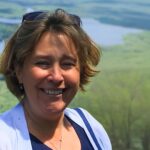
 Professor Louise Serpell